Trenchless sewer repair in Indianapolis
Trenchless is not one procedure and it is not automatically the right answer. The useful question is whether the existing lateral can support lining, whether bursting has enough access, or whether an open repair is needed at a specific defect.
Also searched as: no dig sewer repair Indianapolis, sewer lining Indianapolis, pipe bursting Indianapolis, CIPP sewer liner
Use visual evidence to define the scope before choosing a method
These images show the two records that matter most: the local access route and the method-specific evidence needed to compare a repair scope.
Request a documented inspection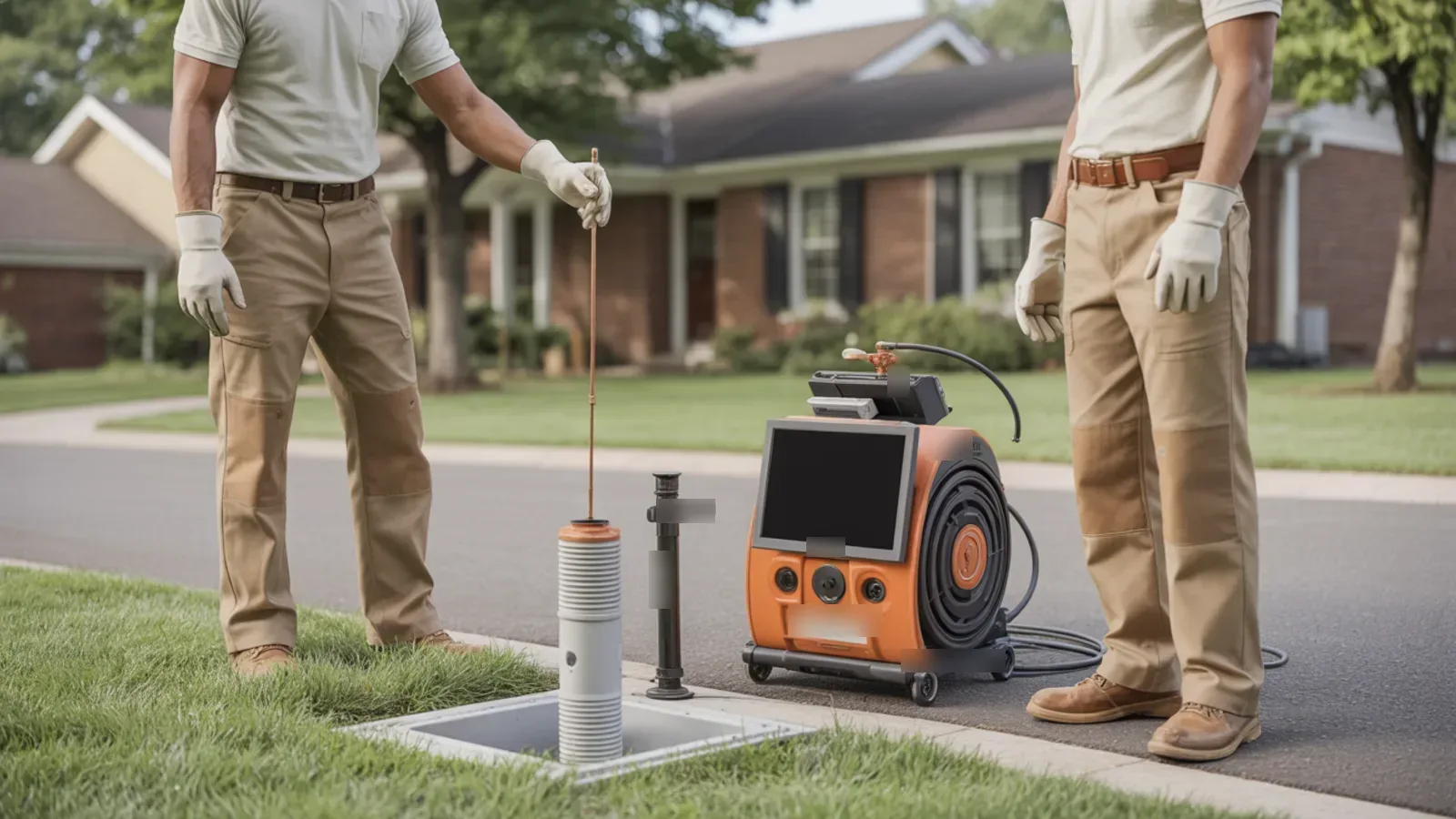
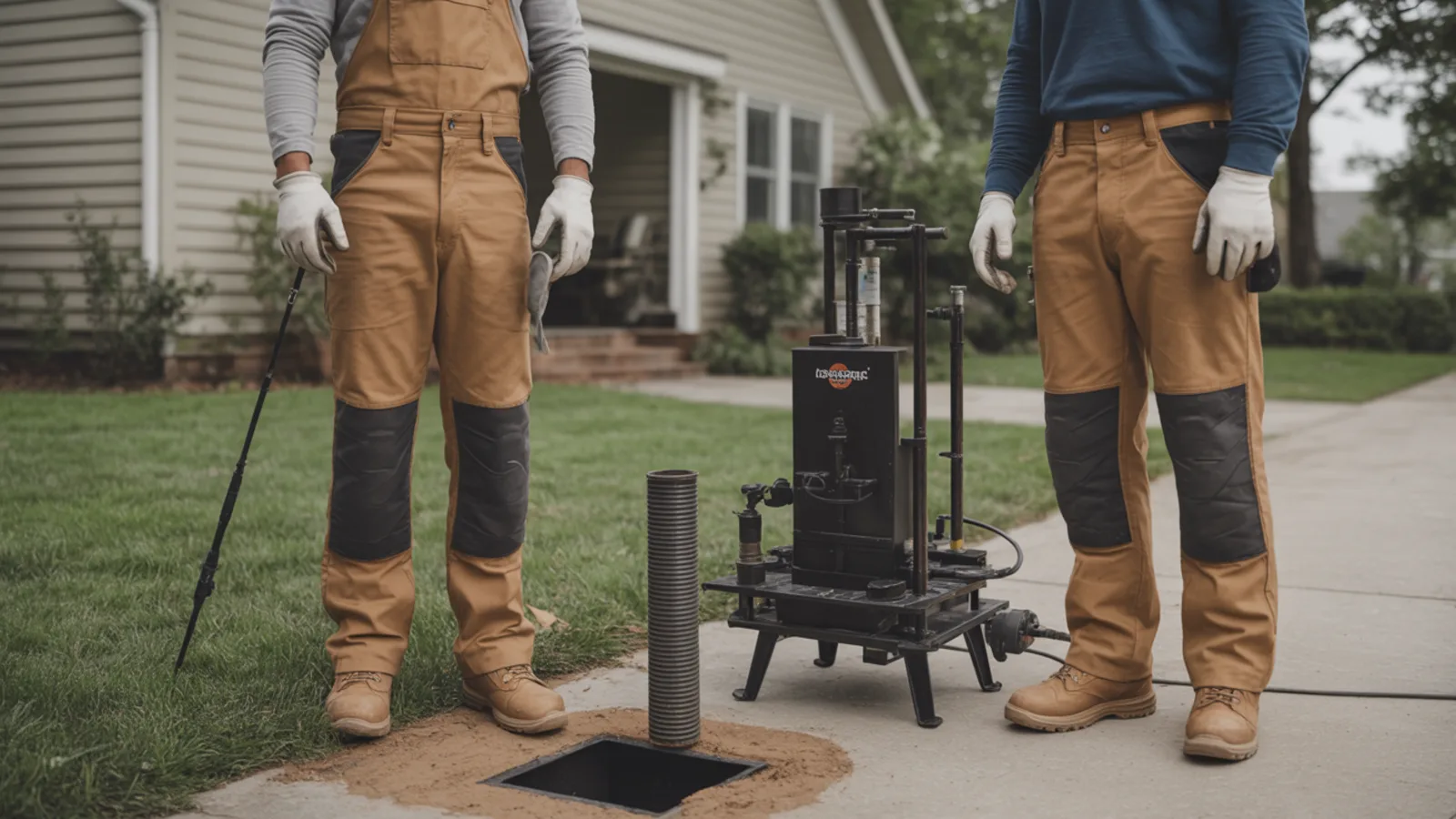
What makes an Indianapolis line a lining candidate
A continuous liner needs a host pipe that can be cleaned, measured, and traversed. Heavy collapse, missing pipe, severe deformation, or a poor transition at the city connection can change the method. A recorded camera pass should show the entire proposed rehabilitation length, not only the easiest section.
- Material and inside diameter
- Location and length of every defect
- Cleanout and downstream access
- Branches, transitions, and connection condition
Lining, bursting, and targeted excavation solve different problems
CIPP lining creates a new structural tube inside a cleaned host pipe. Pipe bursting fractures or displaces the old line while pulling a new pipe through the route. A spot excavation exposes one failed section. The least disruptive method is only valuable when it also addresses the documented defect.
Ask for the prework video, proposed repair limits, material specification, warranty language, and postwork acceptance video in writing.
Citizens and right of way requirements affect the scope
Citizens Energy Group requires a sanitary sewer lateral permit for connection work. If the route reaches public right of way, Indianapolis Department of Business and Neighborhood Services rules may also apply. The contractor should identify the permit holder and inspection steps before work begins.
- Confirm Citizens lateral permit responsibility
- Confirm whether right of way disturbance is included
- Confirm surface restoration and traffic control
- Keep final inspection records with the property file
Local rules and utility sources used on this page
- Connecting a Sewer Service Line
Citizens Energy Group - Right of Way Permits
City of Indianapolis
Related local guides
Questions homeowners ask before they approve work
Open a question to see the practical answer. Every answer shown here is also represented in the page’s FAQ structured data.
TrenchlessCan every Indianapolis sewer line be lined?
No. A liner needs a usable host path. Collapse, missing pipe, deformation, access limits, or a bad connection can require another method.
TimelineHow long does trenchless repair take?
Many residential scopes can be completed faster than full excavation, but cleaning, access, cure method, permit timing, and defect complexity control the schedule.
PricingIs lining always cheaper than replacement?
No. It can reduce excavation and restoration, but access, length, cleaning, diameter, and cure specifications still matter. Compare complete scopes, not one price per foot.