Emergency sewer backup help in Indianapolis
An active sewage backup is first a health and property problem. Stop using fixtures, keep people and pets away, protect electrical safety, document the event, and determine whether the public main or private lateral is involved.
Also searched as: sewer backup Indianapolis, emergency plumber sewer line, main drain backing up, sewage in basement
Use visual evidence to define the scope before choosing a method
These images show the two records that matter most: the local access route and the method-specific evidence needed to compare a repair scope.
Request a documented inspection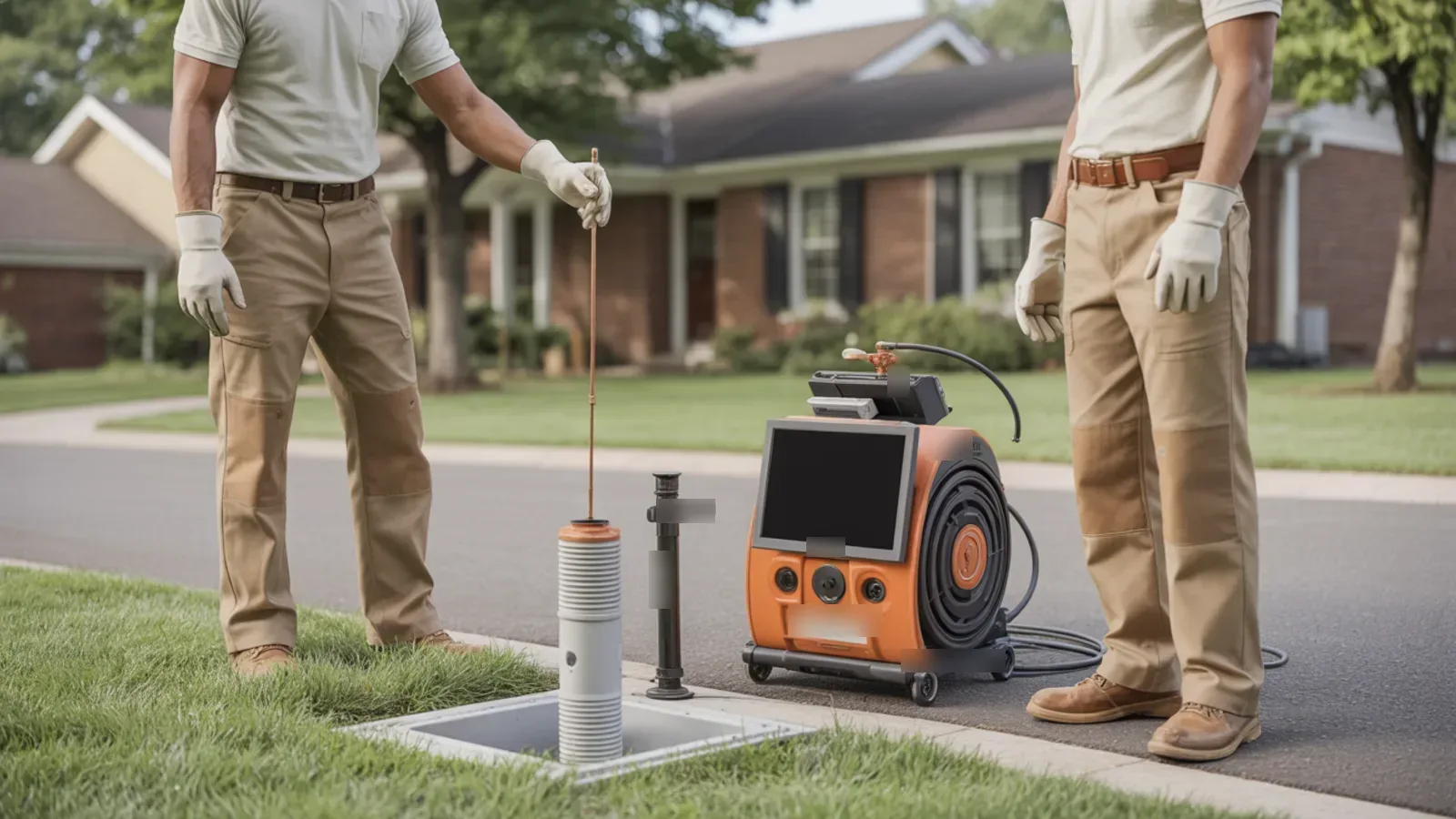
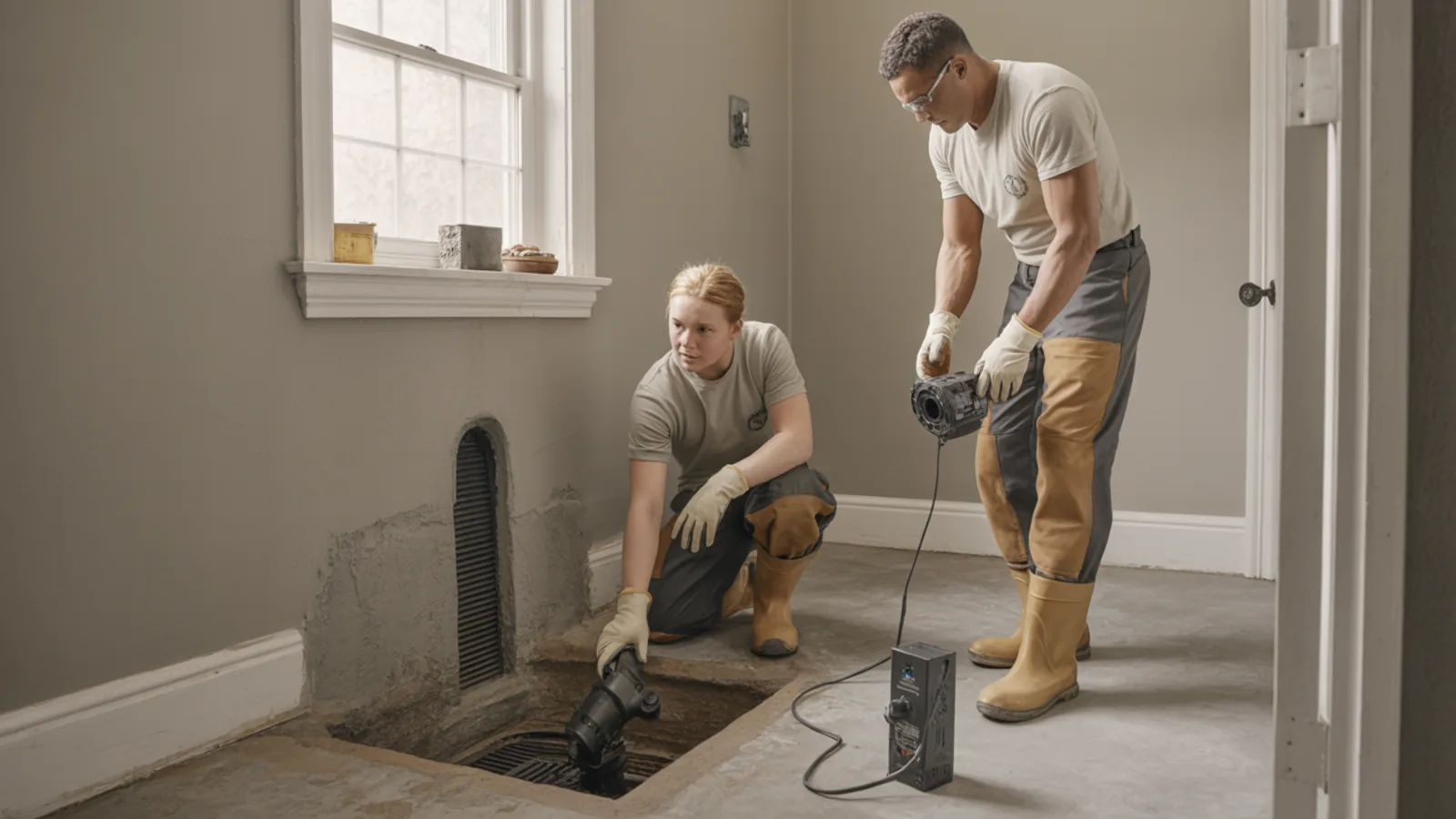
What to do in the first minutes
Stop running water and do not keep flushing to test the line. Avoid contact with wastewater. If water reaches electrical equipment or creates an unsafe condition, leave the area and use the appropriate emergency service.
- Stop fixture use
- Keep children and pets out
- Avoid electrical contact
- Photograph affected areas from a safe position
- Save call and cleanup records
Report a suspected public sewer problem to Citizens
Citizens Energy Group publishes sewer backup guidance and a utility contact path. A utility check can help separate a public main issue from a private lateral issue. That does not replace private diagnosis when the problem is on the owner maintained line.
A restoration emergency and a sewer repair are different scopes. Stop the source, document the cause, then plan cleanup and repair separately.
Do not let urgency erase the evidence
Emergency cleaning may be necessary to restore temporary flow, but a recorded camera pass should still document the cause. Ask what was seen, where it was located, whether the city connection was reached, and whether the proposed work is temporary or structural.
Local rules and utility sources used on this page
- Sewer Back Ups
Citizens Energy Group
Related local guides
Questions homeowners ask before they approve work
Open a question to see the practical answer. Every answer shown here is also represented in the page’s FAQ structured data.
EmergencyShould I keep running water to see if the backup clears?
No. Stop fixture use so more wastewater does not enter the blocked line or affected area.
ResponsibilityShould I call Citizens or a private contractor first?
If a public main problem is possible, report it to Citizens. Private lateral diagnosis may still be needed. The location of the blockage controls responsibility.
InsuranceWhat should I document?
Photograph damage safely, keep utility and contractor records, save videos and invoices, and ask the carrier what mitigation documentation it requires.